Defining Quality
Quality is a word that creates divisiveness. It creates conflict and controversy. Learn how to tackle Quality discussions effectively.
'We need to Improve our Quality!', 'We have bad Quality!', 'We sell a tool that measures Quality!', 'I'll add some tests to improve Quality!'
I've collected these sentences over the years. None of them make sense without more context.
Quality starts arguments
Quality is one of those words that creates division. It sparks conflict and controversy. That's not necessarily bad. The conflict exists whether you face it or pretend it doesn't. Either way, there's a price to pay.
Freedom is similar. Both words let us dream of perfect scenarios. Both hit their limits the moment they bump into someone else's definition.
Everything involves trade-offs
A hotel offers comfort, good food, easy access. It also means more people can enjoy nature. That's a trade-off. There's no universal right or wrong. Only right or wrong in your specific situation.
How I approach quality discussions
Here's my process:
- Get the right people in the room - Users, team members, marketing, sales, external experts. Anyone who matters.
- Understand your situation deeply - You're not building a product. You're solving a problem.
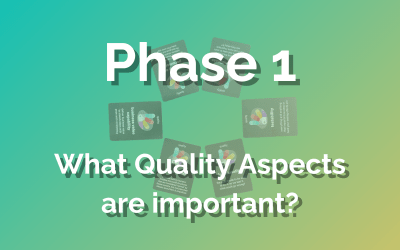
- Break 'Quality' into specific aspects - We use 25 Quality Aspects designed to spark useful discussion.
- Think of Quality Aspects as journeys - Each one has a destination and next steps to get there.
What happens next?
You've just had a real conversation about what actually matters for your project. Ideas got challenged. People are more aligned.
But no journey is risk-free. The next step: explore what could go wrong, from as many angles as possible.