Case: Peer Review Tool
A RiskStorming session at a company off-site exploring risks around their homegrown Peer Review tool built during the pandemic.
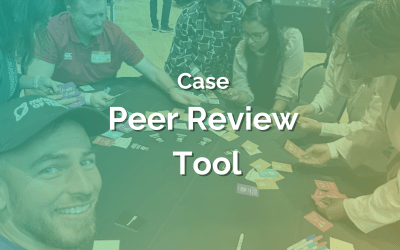
I was brought in to run a RiskStorming session at a company off-site. First time for them. We had 1.5 hours to work with.
The group was experienced and mixed well: a Product Manager, an architect, testers, and someone who knew operations inside out.
This kind of diversity? That's where the good stuff happens.
Our target: their homegrown Peer Review tool.
Quick context: they're a consulting agency of about 60 people. When the pandemic hit and developers were stuck without projects, they built something they believed in. A performance review tool that would be better, cheaper, and fairer than what's on the market.
Three performance cycles later, they were asking the hard question: do we keep investing in this?
What the group flagged as high-risk:
- Data exposure - What if someone with evaluation data on file ends up in politics or media? This data could leak. No traceability exists.
- Bias in the process - Teams decide their own evaluation criteria. That opens doors to leading questions, scapegoating, and real impact on people's careers.
- Calculation accuracy - The formulas behind evaluations haven't been properly tested. Wrong promotions happen. Bad reviews happen.
- Cost questions - Is all that meeting time actually cheaper than traditional reviews?
- Culture blind spots - No one measured how this affects company culture. What if people hate it? What if it's being weaponised?
What they decided to do:
- Data Leak - Turn on logging. Set up data destruction that follows GDPR properly.
- Bias - Run all existing questions through AI to spot bias. For new questions, get them reviewed by an expert or AI before they go live.
- Cost - Pull time-logging data from Finance, apply actual hour rates, compare against traditional review costs. Let Leadership make the call.
My take:
Performance reviews touch people's careers, their paycheques, their sense of fairness. This stuff ripples through culture in ways you don't always see coming.
The discussion raised important points, but they all came back to one thing: culture.
My recommendation? Before deciding anything, find out how big these risks actually are. Survey your people. Ask how they feel about the tool. You can't make good decisions without that information.